
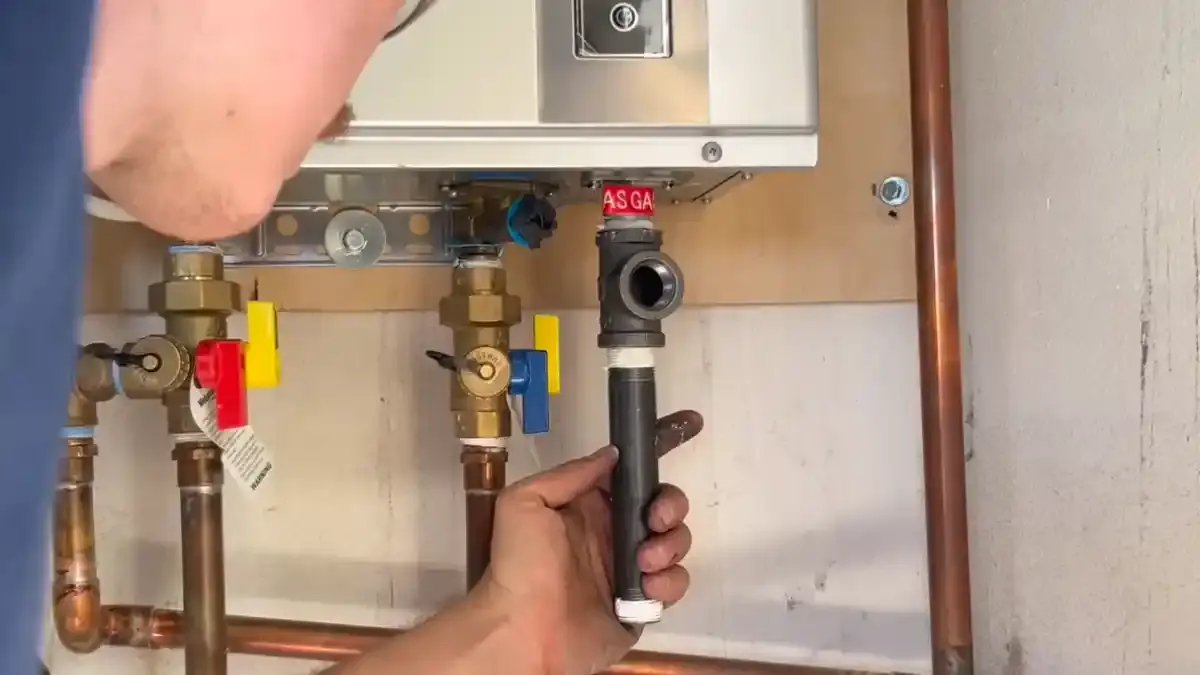
Water heater installation in Hamden, CT is a planning job as much as a plumbing one. If you are adding a unit to a finished basement, moving the heater to a better spot, switching fuel or setting up a new build, the choices you make before the work starts decide how well the system serves you for years.
We install tank, tankless and heat pump water heaters, and we walk you through what each needs from your home. If your old unit has already failed, our water heater replacement page covers the faster same-day path.
Start with where the heater goes
Location sets the ground rules. A tank needs a floor that can handle its weight when full, a drain nearby, and clearance for service. A gas unit needs a vent path and combustion air. A heat pump unit needs room to breathe and a condensate line.
Moving a heater is possible, but it adds supply, gas, vent and electrical work. We tell you what a move involves before you commit, and we often find that keeping the original location costs less and works just as well.
What each type needs from the house
Matching the unit to the building prevents surprises on installation day.
| Unit | Gas / electric needs | Venting and drainage |
|---|---|---|
| Gas tank | Gas line of the right size | Flue vent to the outside, relief valve discharge |
| Electric tank | Dedicated circuit and breaker | Relief valve discharge, pan if above living space |
| Tankless gas | Larger gas line, electrical outlet | Direct vent, condensate drain on condensing models |
| Heat pump | Dedicated circuit | Condensate drain, airflow clearance |
Fuel and efficiency choices
Switching from a tank to a tankless unit, or from gas to a heat pump, changes more than the unit. A tankless unit may need a larger gas line and new venting. A heat pump unit changes how the basement air behaves. We lay out the work and the likely costs of each option so you are comparing real numbers rather than brochure claims.
We do not quote specific rebate programs, because eligibility and amounts change. Ask your utility or the state energy office what is current, and tell us what you find so we can include it in the plan.
Code and permits in Connecticut
Connecticut's 2022 State Building Code, which is based on the 2021 International Plumbing Code, sets the standards for plumbing installations in the state. The relief valve, the discharge line, the vent and the expansion tank where required all have to meet it.
Whether an installation needs a permit, and who inspects it, varies by town. In Hamden, building permits run through the town's permit portal, and we recommend calling Town Hall at 203-287-7000 to confirm your case before work starts.
Installing in older Hamden homes
In an established neighborhood such as Spring Glen or Highwood, houses were built across many decades, so what you find depends on your own house. A basement can hold more than one pipe material, and connecting a new heater to existing pipe sometimes calls for new fittings or short sections of replacement pipe.
A home with a finished basement ceiling is another common wrinkle. We locate shutoffs and plan access before the old unit comes out, because a surprise during installation costs more time than a few minutes of planning.
New builds, additions and finished basements
For new construction, the heater is usually installed after rough plumbing and before the final inspection. For additions and basement finishes, the installation often ties into new bathroom plumbing. In both cases, a call early in the project saves rework.
Our plumbing installation page describes the wider scope of fixture and line work we do when a project is more than just the heater.
What shapes the installation quote
You get a clear price before work starts.
Insurance does not typically cover planned upgrades. If an installation follows storm or flood damage, your claim may help, so ask your carrier. Call (203) 720-6269 to plan your install.
Code, permits and inspection
A new installation changes the system, so it falls under the plumbing code. Connecticut's 2022 State Building Code is based on the 2021 International Plumbing Code (IPC), and gas supply and venting add rules of their own. Ask the Hamden Permits and Licensing Center which permits and inspections your project needs before the old unit comes out.
Call and tell us about your space and your fuel.
Water Heater Installation questions in Hamden
We schedule planned installations as the calendar allows, and we try to match the day to your availability. If a unit has failed, call our emergency line instead.
Usually, yes, though it may need a larger gas line and new venting. We review your house first.
Yes. They need clearance and a condensate drain, and we confirm both on the planning call.
Many closed plumbing systems need one to handle pressure from heated water. We check your system and install one where it is needed.
Yes. See North Haven and New Haven for service details.